Iran says no ship crosses Hormuz without its blessing; Washington bombs
Two empires claim one narrow water, and the ships that actually sail it answer to neither.
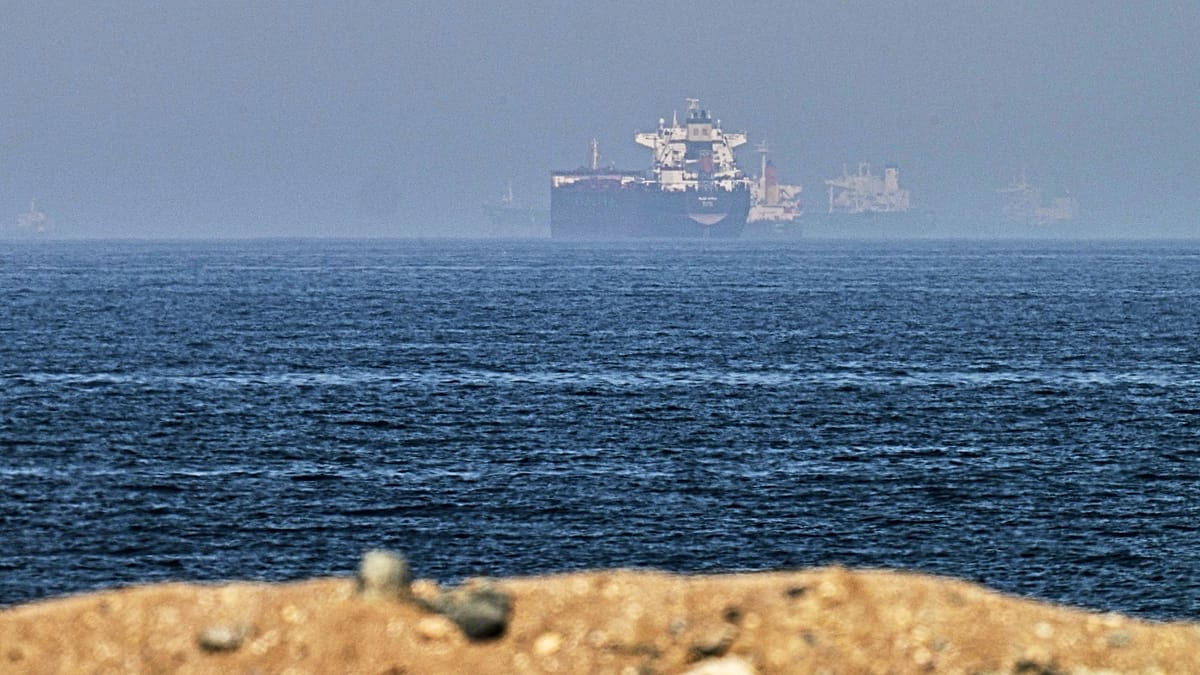
Sixty days ran out on August 17. The Islamabad memorandum that paused the US-Iran war expired with nothing to replace it, and within hours President Donald Trump declared the Strait of Hormuz open while Tehran said no vessel passes without its approval and threatened, on Fox News, to bomb Oman if Muscat "gets in the way" of any deal.
Al-Monitor reported the exchange on August 17.
The strait runs half through Iranian waters, half through Omani waters. Washington is now threatening to shell the coastline of the one country whose cooperation it would need to keep the waterway open at all.

Iran wants what it has built since the war began in late February: a permit-and-toll regime run by its new Persian Gulf Strait Authority, which turns geography into revenue and sanctions relief into bargaining power. Its Foreign Ministry spokesperson Esmail Baghaei said on August 17, according to Al-Monitor, that a transit-route map had been agreed with Oman and would be finalized as "the map plus a joint statement," independent of anything Washington does.
Trump wants the strait reopened toll-free, on American terms, without paying Iran the dignity of recognition. Oman wants to be indispensable, the quiet broker that converts its coastline into diplomatic rent. The Gulf exporters, Saudi Arabia, Iraq, Kuwait and the UAE, mostly want to sell oil without becoming targets. They are acting accordingly.
The memo's expiry on August 17 and the missile strike near Emirati territory on August 18 pushed the UAE to suspend all trade and financial ties with Iran, severing Dubai's decades-old role as Tehran's offshore bank and warehouse, as Ronin's Grips OSINT summary recorded on August 21. Older pressure runs beneath. Before the war, a fifth of the world's oil and liquefied natural gas moved through this channel, and every week it stays contested reprices insurance, freight and crude everywhere from Jamnagar to Rotterdam. The war did not create the contest over Hormuz. It revealed who was willing to enforce a claim on it.
A market of fear
Maritime intelligence firm Kpler counted 112 crude, LPG and LNG carriers transiting between August 1 and August 19, a tally published via Al Jazeera on August 20: twenty-one openly used the Iranian northern route hugging Larak and Qeshm islands, two formally used the Omani southern corridor under US naval protection, and eighty-nine, more than four in five, went dark, running with transponders off through unclassified water. Across all cargo, 236 ships crossed and 148 were untrackable.
Neither navy controls the strait. Each master decides nightly whose guns he would rather risk.
On August 8 the UAE said a missile hit a tanker linked to Abu Dhabi's national oil company ADNOC, whose statement counted fifteen of its vessels struck by missiles or drones since the war began, one crew member dead and twenty injured, as Al Jazeera reported on August 20. The United States has fired Hellfire missiles at tankers too, including the Panama-flagged Vela Nova on August 11 for attempting to run its blockade of Iranian ports (Al Jazeera, Aug 20). When the world's most powerful navy and the world's most sanctioned state both bomb neutral cargo, insurers stop pricing routes and start pricing luck.
Who pays
Brent crude hovered around seventy dollars before the war, spiked near $115 in early May, and sat near $92 as the UAE missile alert landed this week, Al-Monitor reported on August 17. Iran's own exports collapsed once Washington revoked its oil license on July 7: loadings fell from 893,000 barrels per day in July to 156,000 by mid-August, with untraceable barrels rising from five percent of the total to about two-thirds (Ronin's Grips OSINT summary, Aug 21).
Treasury Secretary Scott Bessent has announced a sanctions package for August 24 aimed at Iran's shadow fleet and its Chinese buyers, and OFAC has already designated the Persian Gulf Marine Insurance Company for collecting transit tolls in Bitcoin, per the August 21 Ronin's Grips summary. The tolls, the dark transfers off Oman, the re-papered cargoes: an entire grey economy now runs the strait that two governments claim to command.
The Tanker War of 1984 to 1988 offers one clean model: Iran and Iraq attacked shipping in the same waters until Kuwait's tankers sailed under American flags and the US Navy convoyed them past Iranian gunboats. That ended because convoys worked and because both belligerents needed the oil revenue the convoys carried. This time there is no single lane to convoy. Ships scatter across three routes, lights off, cargoes shuffled mid-sea outside the strait, documents rewritten in Oman. You cannot escort what will not be seen, and you cannot blockade a fleet that has already stopped declaring itself.
Freight and insurance costs stay elevated, and Gulf exporters quietly pay Iranian permits or run dark rather than wait for either capital to blink. The UAE's total trade cutoff and the coming Treasury package squeeze Iran hard enough that the hardliners now consolidating control of its security council, where Mohsen Rezaei has replaced the previous secretary under Supreme Leader Mojtaba Khamenei, double down on the tolls as the only lever left, as Ronin's Grips OSINT summary argued on August 21. Asia's refiners institutionalize the workaround, and a permanent two-tier market hardens, official barrels and shadow barrels, priced differently forever.
A joint Iran-Oman declaration formalizing the route map within weeks would confirm the read, followed by a visible uptick in declared transits on the northern corridor and another Treasury designation wave against whoever pays the tolls. If it breaks, watch the opposite: Oman walking away from Tehran under American pressure, or a single enforced convoy reopening the southern lane with declared traffic following it within days.
The people absorbing this are not in Washington or Tehran.
They are the Filipino and Indian crews aboard darkened tankers, the Dubai traders who lost their largest customer overnight, and the Asian refiners paying two prices for the same barrel. Crews turn off their lights and pick which shoreline not to die beside.