Gulf states' alternative oil routes now targeted as Houthis blockade Red Sea
Saudi and Emirati pipelines bypassing the Strait of Hormuz now face attacks near the Red Sea, as Iran and its allies expand the conflict.
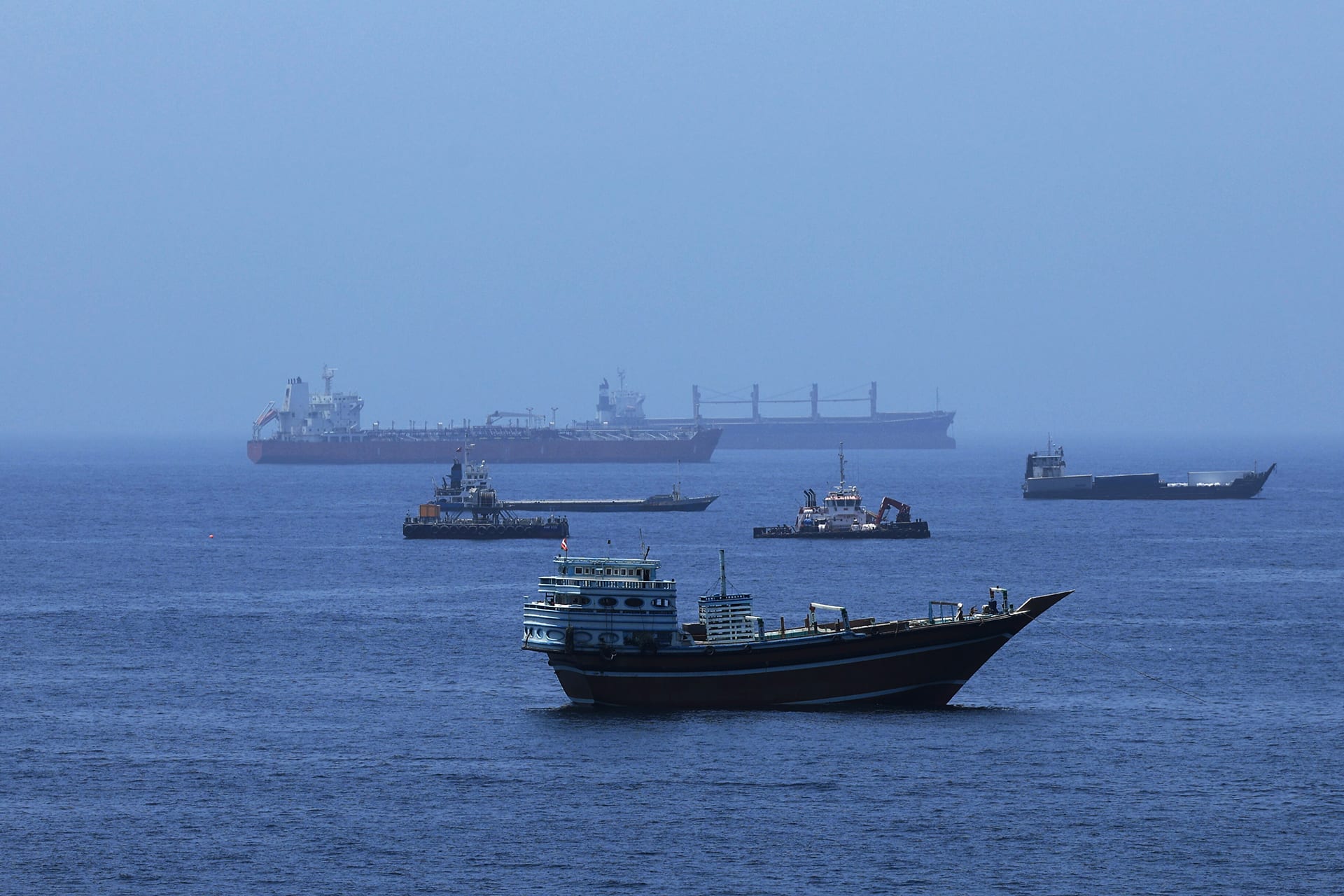
Two facts cannot both hold much longer. Saudi Arabia is pumping a record seven million barrels a day through the East-West pipeline to the Red Sea port of Yanbu, the great workaround that lets its crude reach Asia without touching the Strait of Hormuz, Energy News Beat reported on March 30.
The Houthis have declared a blockade of Saudi ports since July 20, meaning those same barrels must now sail past the only navy in the region that answers to Tehran's allies, Straits Times noted in August 2026.
The gulf spent years and billions building a second exit from the Persian Gulf. Its enemies watched, and then moved the siege to the new door.
Riyadh wants its oil out and its premium customers in Asia kept whole, without depending on an Iranian-controlled waterway. Abu Dhabi wants the same through its own Habshan-Fujairah pipeline, which carries crude overland to the Gulf of Oman and out of Iran's gun range. Tehran wants a bargaining chip: with the strait effectively shut since April, when the IRGC opened fire on the vessels Sanmar Herald and Jag Arnav, Iran's only remaining card is proving it can close every alternative too, according to ABH Shipping's rerouting guide from April 2026.
Washington, under Treasury Secretary Scott Bessent, has chosen to fight the last mile of this war in bank ledgers, with a sanctions package against Iran's shadow fleet and its Chinese buyers due August 24, the Ronin's Grips daily security summary stated on August 22.
The trigger this month was the death of diplomacy. The Islamabad Memorandum between Washington and Tehran expired August 17 with no successor; the American oil waiver inside it had lasted twenty days, the naval blockade lift twenty-seven, Ronin's Grips reported August 22. A day later, an Iranian ballistic missile launch near Emirati territory pushed the UAE to suspend all trade and financial ties with Iran, same source, August 22.
The slow pressure underneath is older: every barrel the gulf states push through pipelines instead of the strait erodes exactly the card Iran built its strategy on. The drones that hit Fujairah's storage tanks in mid-March, suspending loadings at a terminal meant to be bomb-proof, were not improvisation. They were doctrine, Energy News Beat noted March 30.
Then, as now, the chokepoint itself stayed technically open while the insurance and the nerve to use it closed first. What is different now is that the gulf states pre-built the bypasses, so the fight is not over one strait but over two, three, four doors at once. The counter-example cuts the other way. In 1987 attacks on hundreds of hulls never cut flows for long, because buyers paid and ships sailed anyway. This year Brent has topped $100 for the first time since May, which suggests the market no longer believes in sailing anyway, Bushletter wrote in July 2026.
Petroline was designed at five million barrels a day and has been run harder than that, roughly seven, with about five million left for export after domestic refining takes its share, Energy News Beat explained on March 30.
Lloyd's List Intelligence counts Yanbu tanker calls down more than a third since the Houthi blockade announcement, Lloyds List reported August 2026; Bab el-Mandeb transits fell from thirty-eight vessels to twenty-seven in a single day in late July, Xinde Marine News recorded July 23.
Who pays? The Asian refiner pays, twice. Once in freight, once in the war-risk premium, which within forty-eight hours of the March reinsurance withdrawal jumped from about $150,000 per very large crude carrier transit to $3.6 million, a twenty-four-fold repricing, House of Saud analysis noted in April 2026.
Egypt briefly profits, as the Suez route becomes the least-bad path north.
The shipowners of the dark fleet profit most of all, because when legitimate routes price themselves out, untraceable tonnage becomes the only tonnage willing to move.
With the strait choked and sanctions back on after General License X was revoked July 7, Iranian loadings collapsed from 893,000 barrels a day in July to 156,000 by mid-August, while the share of dark, untraceable barrels rose from five percent to sixty-six percent, Ronin's Grips OSINT tracking found August 22.
Idle floating storage sits near 110 million barrels, a floating parking lot of unsellable crude, same tracker, August 22.
Iran has responded by monetizing the chaos. Its new Persian Gulf Strait Authority issues permits and collects tolls, payable in cryptocurrency, and Washington has sanctioned the Persian Gulf Marine Insurance Company that enforces the scheme, same tracker, August 22.
A state that cannot sell its oil is selling permission to pass.
Bessent's August 24 package aims straight at this economy, designating shadow-fleet tonnage like the Seeker 8, accused of carrying more than four million barrels of Iranian crude, and threatening the Chinese banks and traders behind the buying, Ronin's Grips OSINT tracking reported August 22.
Beijing is meanwhile negotiating directly with the Houthis for safe passage of Chinese-flagged tankers through their blockade, and Chinese ships have been observed carrying Saudi crude through it already, Platts reported July 2026.
That is the quiet revolution in the story.
The guarantor of passage is no longer a Western navy. It is whoever has a channel to Sanaa.
If the read is right, Houthi fire or credible threats against Yanbu-bound loading will spread, Bab el-Mandeb transits will keep thinning, and the Bessent package will visibly dent Chinese purchases of shadow-fleet barrels within weeks. If it breaks, look for a renewed US-Houthi understanding reopening the southern lane, or China brokering a strait reopening that restores Hormuz flows and makes the whole pipeline-and-dark-hull architecture redundant overnight.
They built redundancy and called it security.
In a region where one ally of Tehran holds each door, redundancy multiplies the number of places the war can start. The second strait is real, and it is already burning.