Rosneft-linked Indian gas cargo stuck as Russian state blocks sale
An Indian refinery part-owned by Rosneft shipped fuel to Russia, but state price rules left the gasoline unsold even as shortages grew.
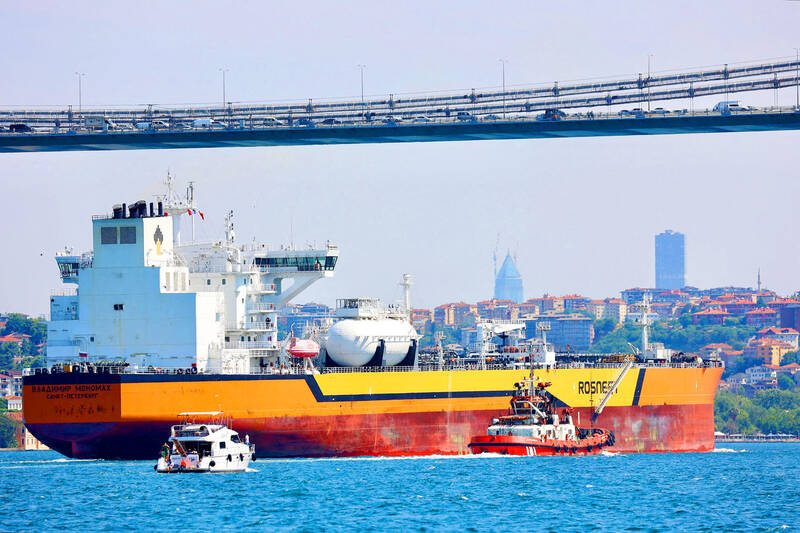
The tanker sat idle at Murmansk for eighteen days, its gasoline cargo unsold as neither seller nor buyer would budge on price, The Moscow Times reported via NV.ua on August 17.
Meanwhile in Moscow, filling stations drew crowds after Ukrainian drones hit refineries such as Slavneft-Yanos in Yaroslavl, triggering repairs and cutting Russia’s gasoline supply, as BBC’s coverage carried by Binance Square showed on August 21. The shipment meant to ease the shortage is the same one stalled at the dock, and neither half of that dilemma can carry through winter.
What matters is the dual bind it reveals. A refinery half-owned by Rosneft and sanctioned by Europe managed to sell into Russia’s scarcity, but Russia’s subsidy regime will not cover what it costs to purchase and freight the fuel. If that impasse holds, gasoline imports continue piling up while the pumps run dry as autumn demand nears.
Nayara operates India’s second-largest refinery at Vadinar, handling about 400,000 barrels per day; Rosneft holds roughly 49 percent of this stake, Reuters reported via MarketScreener on September 26, 2025.
In July 2025, the European Union sanctioned Nayara in its 18th package. The Economic Times wrote on July 18, 2025, that this same session cut the Russian oil price cap to $47.60 per barrel.
Sanctioning upended the usual operations of an international refinery: European banks stopped clearing payments, shipowners and insurers departed, and export buyers vanished. New Delhi responded by treating Nayara as vital infrastructure, lending tanker trains and giving clearance for foreign-flagged coastal vessels to keep petrol and diesel moving within India, according to Economic Times on September 17, 2025.
Russian refineries endured drone attacks in June and August 2026, leading to repeated shutdowns. By mid-August, only 28.1 percent of Russian filling stations could supply gasoline and diesel, Izvestia reported, cited by The Insider on August 16. Moscow restricted fuel exports, loosened quality standards, and sought supply abroad. This is how a refinery cut off from Western buyers shipped gasoline north, with intermediaries bridging the trade, since India’s oil minister insists there are no direct sales, Economic Times noted in August 2026.
The first cargo, about 42,000 tonnes produced by Nayara, unloaded at Murmansk on August 5, InfoTEK reported via Moscow Monitor in August 2026.
Russia’s pump prices are held down by the subsidy scheme known as the damper, which covers the gap between what fuel fetches abroad and the price set at home. Under this system, the state will not cover the actual cost to buy and transport gasoline. Sellers offered the cargo at 130,000 rubles per tonne—around $1,530—then lowered to 110,000 rubles, or $1,300, yet found no takers; the gasoline never entered retail or wholesale channels, as confirmed by The Moscow Times via NV.ua on August 17.
InfoTEK’s calculations clarify the mismatch. AI-92 bought in the Mediterranean at $1,110 a tonne translates roughly to 101,700 rubles per tonne delivered before taxes, and during shortages, secondary-market prices run 20,000 to 40,000 rubles above exchange rates, according to InfoTEK figures carried by Moscow Monitor in August 2026. Neither side conceded on the gap between cost and what the controlled market would pay.
A shipment of Moroccan gasoline from Tangier sat unloaded at Murmansk for two weeks over the same price standoff, Radio Canada International reported through Eye on the Arctic on August 17. Imports arrive, but the system cannot digest them.
Nayara hedges, resuming exports toward Oman’s Sohar while cutting throughput at Vadinar, since buyers are scarce at home and abroad, World Ports Organization and Reuters reported in August 2026. In Gujarat, Nayara increased supply to HPCL by road, rail and coastal shipping after Adani Ports blocked sanctioned vessels, India Shipping News wrote on August 21.
Germany in 1944
Allied bombers did not have to destroy every German synthetic-fuel plant; cutting output enough left demand exposed, as hoarding, rationing, or improvisation could not fill the gap. The parallel is exact in the locus of attack: Ukraine’s drones strike refining capacity, and the shortage outpaces any substitute supply. What differs is that Russia can, in theory, buy from India, Morocco, Kazakhstan or Belarus. What also differs is that the buying occurs inside a state price system that won’t meet costs—a negotiation Germany never faced.
Belarusian gasoline moved into Russia quickly during earlier strikes, crossing a friendly land border without ocean freight or sanctions intermediaries. Eurasian reports, carried by Global Espresso on March 28, 2024, show how imports from Belarus can sideline the cargo bottleneck at sea; the pipeline is more decisive than the pier.
Who pays
Nayara earns, though at depressed rates, and Rosneft keeps its asset running where alternatives stagnated. Trading houses moving sanctioned cargoes collect a margin for their risk. Russian drivers pay in queuing and inflation, as fuel scarcity pushes up food and freight costs amid high rates and defaults, Fortune wrote on July 4, 2026. Indian taxpayers bear the indirect expense, supporting trains, vessels, and diplomatic cover to keep a half-Russian refinery active in India. Profits gather mid-chain, among intermediaries able to bridge sanctioned trade.
The sequence ahead, if the analysis holds: more Nayara and Moroccan cargoes reach Russian ports; more remain unsold until Moscow quietly raises its price or shortages push up secondary-market premiums; Vadinar keeps under-producing; Belarusian shipments fill the gap left by stalled sea imports. The critical issue is whether Russia's pump-price subsidy gives way—via formal price rises or an expanded exchange—before autumn demand peaks.
What would break this forecast is plain: a Nayara cargo selling through at published ruble prices within days of unloading. That would signal Moscow prioritizing supply over price discipline, ending the stranded-cargo story as a pause in negotiations.
Until then, the conclusion stands: Ukrainian drones shrank refinery output, sanctions closed refinery markets, and the Kremlin’s cap stopped rescue at the docks. With the state setting fuel prices, it must now pay what fuel costs or go without.